Delivering during Ramadan

Managing Fatigue This Ramadan

Recognizing Fatigue

Fatigue isn’t just sleepiness - it can be a drop in reaction time. Pull over immediately if you experience:

  • Drifting across lanes or missing turns.

  • Heavy blinking or difficulty focusing.

  • "Microsleeps" where you don't remember the last few streets.

Energy & Rest

  • Quality Sleep: Try to get a solid block of rest after Suhoor or take a short afternoon nap to stay sharp for the dinner peak.

  • Nutrition: Eat "slow-release" foods (oats, grains, brown pasta) during Suhoor to avoid a mid-day energy crash.

  • Hydration: Drink plenty of water between Iftar and Suhoor. Limit caffeine, as it can disrupt your sleep quality.

Stay Alert During the "Iftar Window"

The hour before sunset is often the most dangerous due to frantic traffic. Increase your following distance and stay extra vigilant as others rush home.

Your wellbeing comes first. If you feel unwell or too tired to drive, please log off and rest.
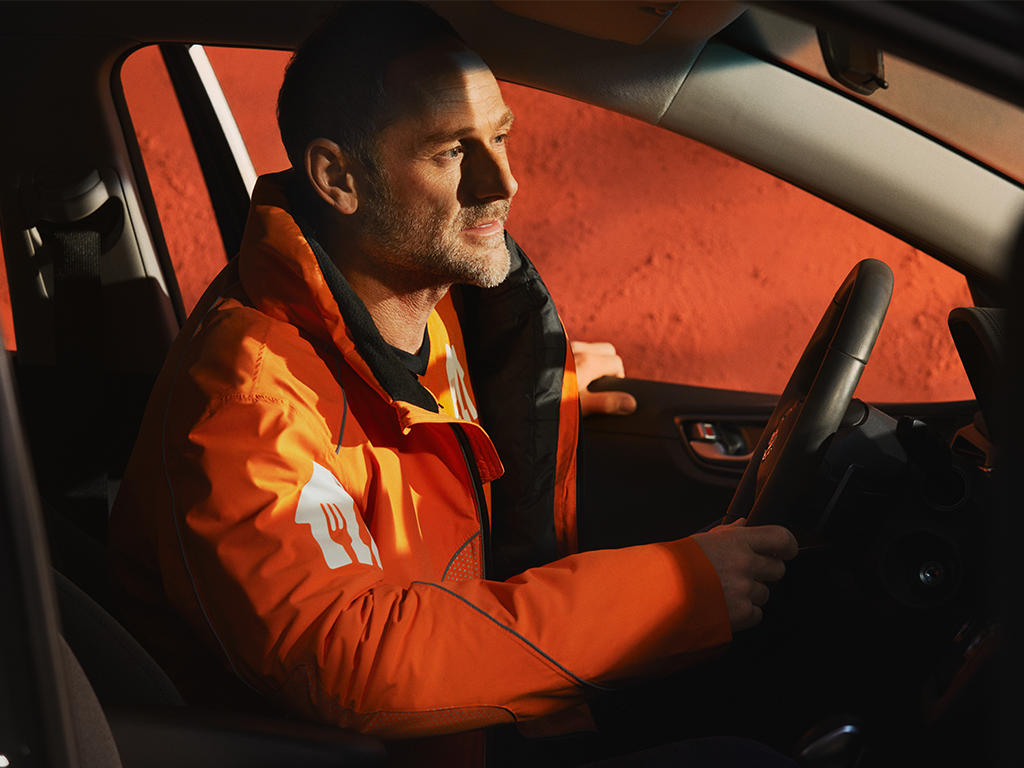
Managing Mind and Focus This Ramadan

While Ramadan is a time of discipline, the shift in routine can impact your "cognitive focus", the mental sharpness needed for split-second decisions on the road. Fasting and altered sleep can lead to lower blood sugar, causing your brain to prioritize basic functions over complex awareness.

How "Cognitive Fatigue" Affects Driving

  • Delayed Processing: It takes longer to react to braking cars or changing lights.

  • Reduced "Set-Shifting": Your brain struggles to switch focus between your GPS and road hazards.

  • Lower Impulse Control: Low blood sugar can decrease patience, making you more likely to take unnecessary risks or feel frustrated by traffic.

Strategies for Mental Sharpness

  • The 20-Minute Power Nap: Cognitive decline often peaks in the late afternoon. A short nap before the dinner rush acts as a "mental reset," clearing brain fog and sharpening focus.

  • Brain-Boosting Nutrition: Choose complex carbs (oats, grains) at Suhoor for a steady stream of energy. During non-fasting hours, eat nuts, seeds, and fish to support cognitive health.

  • Hydration is Key: Even mild dehydration slows problem-solving and navigation. Drink water steadily between Iftar and Suhoor.

Recognize the Signs

Cognitive decline is hard to notice while it's happening. Pull over or log off if you:

  • Struggle to follow simple GPS directions.

  • Feel unusually irritable or impatient.

  • Find yourself "zoning out" at red lights.

Your safety depends on your focus. If you aren't 100% mentally sharp, take a break or end your shift early.

Staying Safe During the Iftar Rush

The hour before sunset is the most dangerous time on the road. Your energy is at its lowest, and everyone else is rushing home to eat. Here is how to handle the "Iftar Rush" safely:

Why it’s High-Risk

  • Low Energy: Your brain is low on fuel, making you less patient and slower to react.

  • Other Drivers: Many people around you are also tired, hungry, and distracted. You have to stay alert for their mistakes.

  • Tunnel Vision: Hunger can actually narrow your vision. You might focus too much on the clock and miss a hazard coming from the side.

How to Stay Safe

  • Add a "Patience Buffer": Don't rush to "make up time." Accepting that deliveries take a few minutes longer during this hour prevents risky mistakes.

  • Double Your Following Distance: Since your reactions are naturally slower when fasting, give yourself extra space to brake.

  • Plan Your Stop: Aim to finish your last delivery 15 minutes before Iftar. Find a safe spot to park and break your fast so you aren't rushing while the sun is setting.

  • Watch the "Second Rush": After Iftar, traffic picks up again as people head to mosques or family. It takes time for your energy to bounce back, so stay sharp.

No delivery is worth a crash. If you’re too tired or the roads feel too crazy, log off and stay safe.

Share this blog post:
Author avatar

By: Lieferando Assistance Hub

Brauchst du Unterstützung bei deinem Konto? Die Lieferando Fahrer:innen Hilfe ist immer für dich da, wenn du uns brauchst. Du kannst uns sowohl über den Chat in der Courier-App während deiner Fahrten für dringende Angelegenheiten, als auch über den Offline-Chat für weniger dringende Fragen erreichen.